Wrinkles Aren’t Ugly!

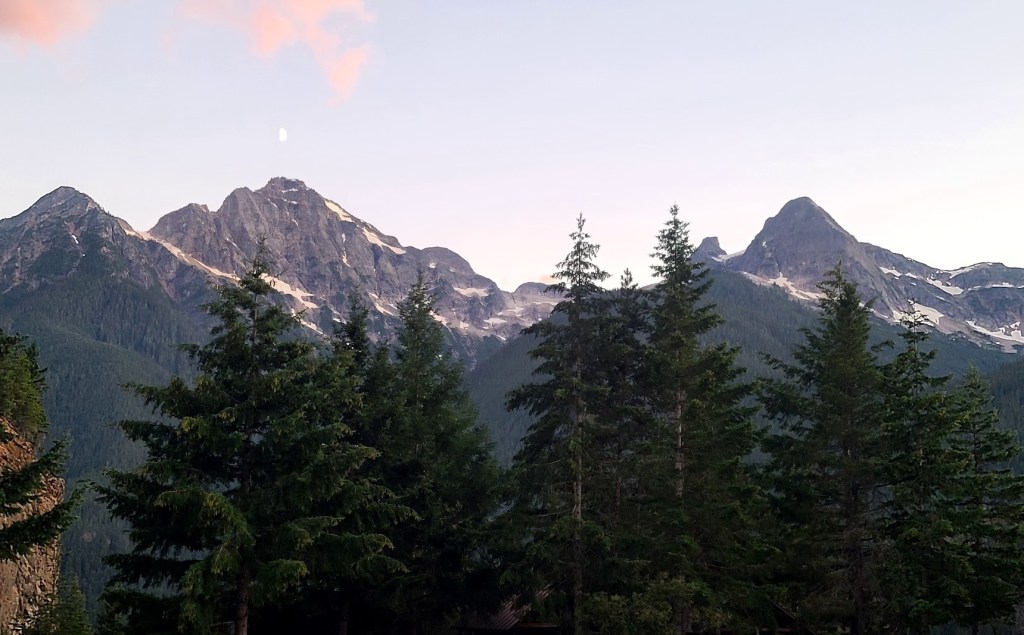
Diablo Lake Vista Point day use area, WA Hwy 20

by Susan Ternyey, 2008

	The earth and life are full of wrinkles.  And so what that they are?  Wrinkles are beautiful!
	From a fairly featureless molten globe, masses of stone coagulated on the surface of our earth, cooled and hardened into rocky mountains that collided as they rode the boiling undercurrents of lower layers.  Such is the theory of our world’s beginnings.
	Without mountains, rain wouldn’t drizzle or pour, delicate crystals of ice would hardly have a chance to float and fly to us from celestial skies.  The cycle of water that gives each life its turn is invigorated by those wrinkled, layered masses pressed up from ordinary plains by processes deep beneath the surface.  Streams rush down, re-cycling rocks, bringing new earth and richness to the fields.  Those same streams lend their mountain-made energy to man—once to grind the wheat to make the bread, now to churn electric power.
	Amid the mountains, hidden streams percolate, gather, concentrate the treasures of earth into ore- and gem-filled cracks and crannies.  Mountain vents allow the earth to blow off steam and release built-up forces too hot to handle.
	Mountains grow under pressure, quake and tremble at their faults and slips, and bend their backs to support the flora and fauna of forests.  They soar above the clouds and change mundane to spectacular sights.  They take the grinding burden of glaciers wearing away at them year after year in dignified grace.
	Mountains are wrinkles, but oh, what wrinkles!
	Life has wrinkles—not just in the sheets and shirts, suits and slacks.  Yet there’s no need to become wrinkle wranglers running manglers all the time.  Lest we think our lives must be spent in straightening and ironing all to crisp smoothness, let us contemplate a moment why we impress creases in our dress pants and why we crimp and curl hair.  Why did searsucker and other purposely wrinkled fabrics come into style?  What about “scrunchies”, slouch socks, and the rumpled look?  When life is too flat, it’s boring, stifled, uncomfortable.
	Maybe not all are attracted to the dogged looks of the Sharpei breed, but a certain looseness is not only a more relaxed fit, it’s critical.  Why do elephants have wrinkles?  Imagine how elbows and knuckles—even eyelids—would balk at bending if they had no slack in their little folds.
	There can be a time for straightness, but there can also be a cherished time of crumpling together in laughter at the wrinkles in and of our times.  When life’s pressures and stresses seem to be wearing us away, cracking, breaking us down—eroding even what seemed most solid—it is thus that reveals our hidden layers, bedrock, and treasures from the depths of our souls, far below the superficial.
	Wrinkled raisins and walnuts are tasty little jewels we find in cookies, breads, and cinnamon rolls.  Wrinkled icing decorates the cake and makes it special.  Our senses delight in texture.  Without bumps and bends, where would sculpture be?  Two dimensions give us meaning and enjoyment, yet how often do we seek and simulate in them the depth of another dimension!  We profoundly ponder that other side.  We seek to see from many angles, many views.  These all come from wrinkles and their cornered kin.
	Most beautiful of all are the wrinkles that give character to our countenances.  What expressiveness and fun would we lose if we couldn’t crinkle our noses!  How much more face has a wrinkled old sage than a babe!  Experience has sculpted a masterpiece, to make fertile every field of man’s endeavor.  Every life can enrich our own depths and gems of understanding.  How many wrinkled old faces radiate hard-won wisdom!
	So I say, “Throw out those wrinkle creams!”  Why should I be ashamed of my wrinkles and grey hair?  I earned them.  They express the search and finding of precious things in life.  I love to see a wrinkled old face with twinkling eyes, and I don’t shy from attaining my own.  Wrinkles are beautiful!
He & Me

by ST, 1981

He faces Life
as a force unknown--
his faith in God:
that he's left on his own--
pain and loneliness have taken their toll,
made barren the life, embittered the soul.

I faced Life
as one alone--
though friends had been,
they'd spent each their day, and then passed on--
I asked of Life more than a friend on loan,
longed for a heart to call my home.

He faced me
with the eternal question,
I challenged the course
of his direction,
but the empty room begged me come--
no longer me, no longer he . . . Nous sommes.

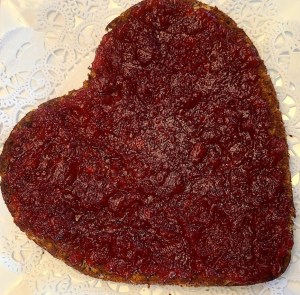
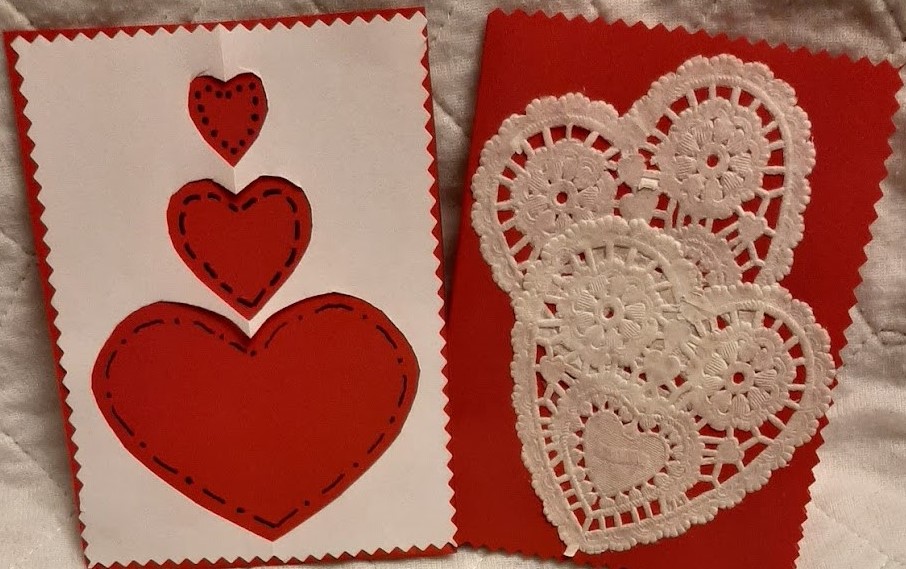
For My Valentine

for RMT by ST, 1982

No sudden inspirations 
     come flowing to my mind,
No metaphors, no similes,
No complaints that Love is blind;

No profuse allusions
     to Love's delusive nature,
No mention how elusively, confusedly,
It takes one unawares.

Expect no flowery effusions
     from Love's elated pen:
When my hand takes that instrument
Romantic utterance ends.

My love for you is simple,
     a simple caring that has grown:
I've grown accustomed to your being there
When I need support and love.

A Heart Within

by Susan Ternyey

I have within
A Martha and a Mary.
Master, wilt Thou judge them fairly--
For the one who serves Thee with her hands,
Begs only Thy help in her weighty tasks,
While the one who listens with all her heart
For wisdom from Thy lips only asks.
Shall she be denied?
Which?
Is Martha to be condemned?
She serves sincerely as listens Mary.
Master, please, do judge her fairy;
I love her dearly as her Friend.
These two sisters within me reside,
Shall I cast either cruelly to the world outside?
Are they not of one Father, one family?
Love they not both their brother, and Thee?

The Calendar

Photo by Skylar Kang on Pexels.com
by ST, 1980s--
remember I like puns
and it's helpful
 to know Roman history
 & mythology.

I

January, the door, swings open wide;
        A cold gust from behind meets the comfort inside.
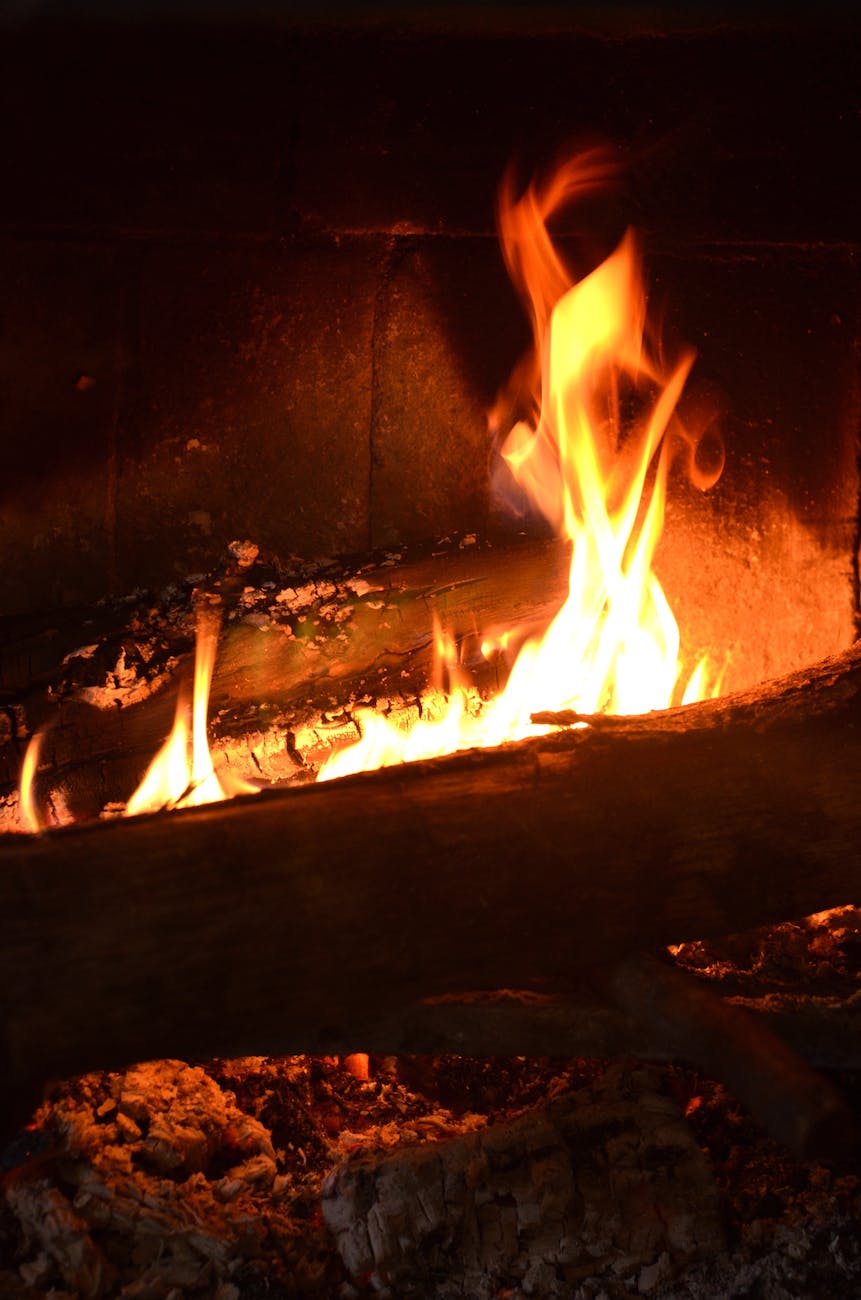
        To the hearth stumbles the aged of snow-white beard,
        Kisses th'infant face, where his lost youth is mirrored.
        He blankets and rocks the child, puts himself off to sleep;
        The babe awakens and plays gleefully at his feet.
        The fire dies 'til naught but embers
        While moon-light sets the snow a-glimmer.

II

February was pure as its new-fallen snows--
        'til there came a cherub without any clothes:
        Sent flying swift arrows tipped in aphrodisiac:
        Then lovers wooed, and woed, "Alas!" and "Alack!"
        Such is our lot, to be Love's martyrs all.
        Poor dears!  To leap in ecstasy with the wound            
                                 causing our fall.

III

March, step in time, as a lion roar.
        Blow bugle:  to the battle; begin a war!
        Vow to conquer or die, before the thing's o'er.
        Yet a truce, call a truce, let the turmoil cease--
        Calm the rage, settle gusty dispute, parley peace.
        Gentle him like a lamb, like its baa, soft as fleece.
        Return him to the planting, the plow, and the farm;
        Make tools of cultivation of all his arms.
        Set his mind to the meadows, the pastures, and barns.

IV

April:  what a fool to be caught in the rain!
        Such showers have such powers to drench the brain,
        For the seeds now are planted, and Venus takes up her reign.
        Mother of Desire, whom she sent before . . .
        Mother, too, of a founder, in tales of yore--
        She promises good fortune and victory
                                     to those who win her favor,
        Thus Irony's guardian of chastity makes lovers the braver.

V

May the earth in its course following season after season
        And holder of the world--with seven daughter of light:
        Greatest and brightest is Maia to spring,
        A goddess born of nature but married to fire and craft
        Lest a young man's fancy has not cupid's wing,
        This Day weave the wanderings of his inclination to its cast--
        Come forth now to renew nature's lease on
        All that grows, and creeps, and has flight.

VI

June, O June, wife and sister both the same,
        What difference to offer the change in her name?
        Offer a diamond, for a chest of treasures will she hope,
        Bring guests and make merry, she'll serve but cantaloupe.
        Her well-being surrounds a simple gold band,
        And its prefix, to fit the small finger of her hand.   

VII

July-bright is the sun in height of full glory,
        But the bands in the sky remember the story:
        How through many a storm all this was won,
     And the eagle's early flight was unsteady, unsure its first roam.
        Now, even now, are murmurs from within--
        Beware the false stroke of a supposed friend. 

VIII

August majesty, dignity befitting renown--
        Summer's triumvirate becomes the Imperator's crown.
        He rules the world, around the world's sea.
        He rules every man--slave, bond, and free--
        He stretches his boundaries, expanding to encompass all,
        Yet the Empire ripens, ever ripens, toward its fall.

IX

September remembrances follow the summer,
        Of days and of deeds in months that were warmer.
        Who can, makes the seventh into the ninth--
        Procrastinating the age or hastening the birth,
        For pregnant are the fields, ready to deliver:
        Pause only a moment, now comes the day of labor.

X

October, the tenth (two later than its due)
        Tithes all its increase by ripening much too!
        When full are the days, the workmen, and the keep,
        A dirge of a melody hints of shorter days, a longer sleep.
        Chilling fingers pluck the strings, densely falls the aire,
        A summons for phantoms:  Let all beware
        That icy touch that colors, for its touch kills
        The fruit of the garden and cover of the hills.

XI

November, all in keeping, let us make a great feast,
        Give thanks for the bread, the fruit, and the meat.
        Humble our souls for those who haven't plenty,
        Offer our hands to lift the sorrowing gently.
        Remember our pilgrimage, the troubles we trod,
        Give thanks for the Mercy of All-wise God.

XII

December, when full dozen months are now come,
       We'll celebrate and decorate the hearth, heart, and home.
       Holidays, Holy Days, gifts and good cheer,
       Old-age's old days' acquaintances come to be near.
       Whitened bows the head of the retiring year,
       Yet not sorrowful but joyous carols does he hear:
       The old fellow smiles, for the long awaited peace . . .
                                    whispers in his ear.

The Labor

by ST, 1980s

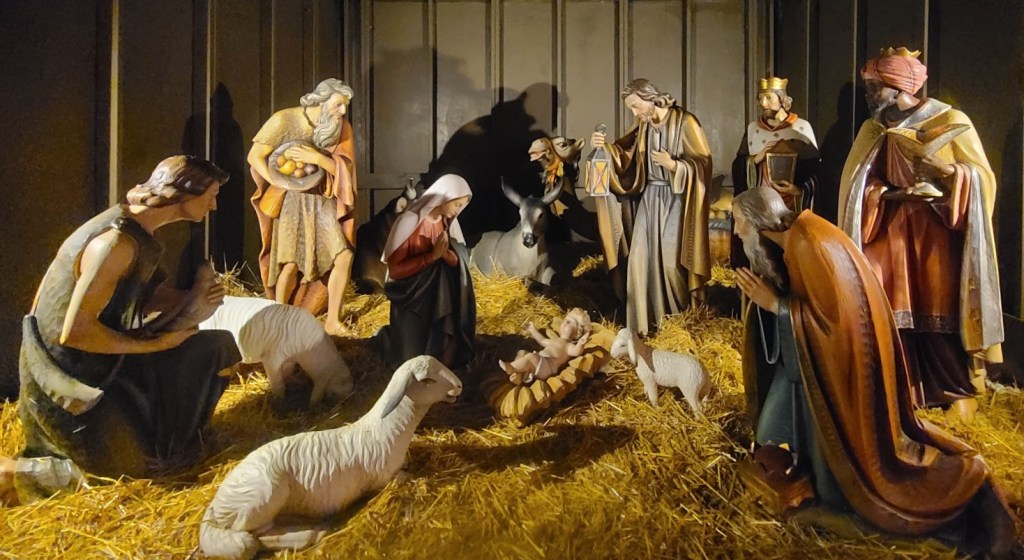
Nativity at the Grotto, Portland OR
Born one night--
no room in the inn:
crowded--every place
filled full.
The burden of the taxing:
Payment must be made.
The Only, the Humblest abode
where the Lamb was kept:
the Stable,
the Christ was there
born one night.

Bourne one night
in agony
while others slept,
a Man of constant sorrows
the weight of the world,
in expectation 
of Deliverance--
of Life.

In the Last Days, Before the New Arrival

by ST, in the 1980s

From early spring, in the season of the Lamb,
We waited for news from the distant land:
How fares the Vineyard, shall the tree give the fig?
When harvest time is here, shall ought fill the crib?
The month of Julius, then Augustus, the days were wasted,
To pregnant fields, in the ninth month, laborers were hasted;
Still, only ghost tales and phantoms of the Truth--
In those dark days all that was civil fell to uncouth.
But thanks be to God who made the way to reform,
For in December we heard truly that a Son was born.

A Psalm of Thanksgiving

by ST

Thanks be to God!
In giving thanks
I give thanks unto Thee.

Thou who openest the expanse of the heavens
And givest Thy children eyes to behold--
Even to the Touching of our hearts.

Thy wondrous works, O Lord,
In all this earth below
Do amaze and awaken our souls.

Beneath the surface and unknown
Thou controlst the secrets of the center--
To our unbelief, Thou movest mountains at Thy will.

O Lord of Righteousness, from the souls' depths we praise Thee!

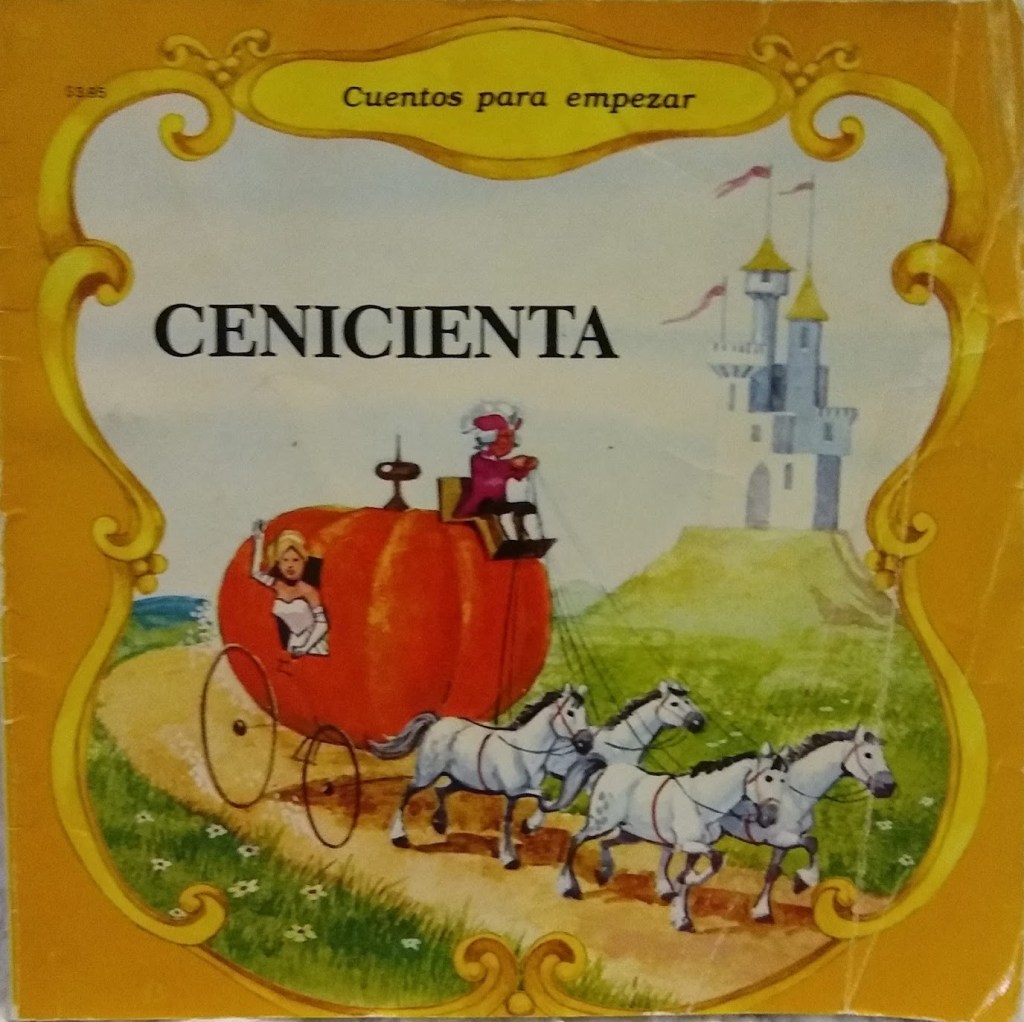
Pumpkin & Mouse: a parable

Cinderella’s story

by ST, mid 1980s

A pumpkin among many in a pumpkin patch,
a mouse with a crust of bread to pack;
each thought of the other
but little or none;
the mouse scurried by
trying to get things done,
the pumpkin sat stationary: 
content to just soak up sun.

But someone knew how great a potential
would burst into life by a touch providential.
A pumpkin changed to coach?
(The skeptic's face turns sour--
at the thought of a mouse gone horse,
his imagination cowers!)
Yet how great a treasure that coach could carry
if drawn into motion by a little horse power!

Cinderella's godmother made a miracle happen
in a magical fairytale told while you were napping.
Now let me tell you a true tale--while you're awake--
A parable to heed for our fellowman's sake.

Many a man is like the mouse as he ran
hurrying, scurrying 'mong pumpkins fast as he can.
He never considers the miracle that can be wrought
if only the touch of Divine Providence were sought.
With his precious crust of bread
and his own little cares swimming 'round in his head,
it never occurs to him that with a few of his friends
what could be set in motion--if some teamwork they'd lend
for a pumpkin who else would find only a silly expression as his end
     [think Jack o'Lantern]

Have you been a mouse when it comes to opening your mouth
to the pumpkins all vegetating surrounding your house?
O let them know!
How to a higher purpose they can grow:
that they can be vehicles of the royal treasures of heaven;
and you can get them to the "grand ball" by seven!
And all this can be--
it starts with just three:
you, and the pumpkin, and of course Divinity.

The Lute Player

by ST, mid 1980s

I was a lute player
I traveled along
any road that I happened 
     to happen upon,
any road that happened
     to fit the day's song.

I was a lute player
I had no abode
I wandered wherever
     by whatever mode,
and the lute that I carried 
     was my only load.

          1.
I saw an old man
     resting under a tree
by the side of the way--
by the wayside,
     you might say--

He seemed not to see me--
had a far look in his eye;
I disturbed not his thoughts,
no babbler am I;
but slowly I picked out
     a melody on my lute
and hummed very softly
some impromptu tune
that the peace of the day,
and the peace of the place,
and the peace that the old man
wore on his face
     seemed to inspire.

Then came to my lips some word or two,
and then a verse followed--
though of what I sang
     I hardly knew--
the sun and I set,
as the day and I mellowed,
'til the old man broke in, suddenly
answering, "You, my young fellow."

What had I asked?
I couldn't remember--
I was taken aback,
nearly back to November!
He so suddenly spoke--
and yet that so calmly--
my thoughts blanked mid-stroke;
his words thus unarmed me.

"What?" asked I of him
in a disconcerted voice.
"I'm waiting here for you,"
he replied in his ever steady poise.
I was the more dumbfounded--
'til I realized he was old--
I thought, "I'll indulge him,
see what interest it will hold:
     Infancy and age have each their games;
     From atop the hill I saw them both--
     One before me, one behind--
      So opposite, yet the same."

"Why do you wait for me here?"
He saw that I was playing--
     he chose to be the cat.
"Why do you ask?"  "I want to know."
     "Do you?"
He turned, and that was that.
Again his gaze was lost in the horizon . . . 
And so now was my answer.

Out before us stretched the distance,
and now between us two--
My lute was silent,
I was silent,
not knowing what to do.
The old man was unaware of us--
at least he seemed to be--
Evening came, and it was cool . . .
Still we sat, and all was still:  I felt a fool.

"There's someone you ought to know,
if you care to search for him."
"Never had a purpose in my life--
I see more as I walk along the rim."
He didn't appreciate my metaphor;
his mind had shut its door.

"Who is he?" I attempted.
"He'll be a friend of yours."
I had somehow the feeling
That when this old man played,
     he won.

I said, "Already I know my friends . . ."
He chuckled, and I grew red.
"Don't be satisfied with too easy an answer,"
   was all he said.

Then from his side he pulled a steel--
that hadn't been there before!
"Take this and be on your way,"
He nodded the direction I should go.

"But it's now nearly night . . ."
He waved me go away;
seemed unconcerned with my plight,
pulled 'round his cloak and down he lay.

Knowing naught else,
I turned, and took his direction.
Night advanced as I,
and we walked along together,
slept side by side, with no affection.

          2.
The dream of the night
faded in the light
of the dawn.
I rose, I stretched, inhaled the day,
     and yawned.
Now refreshed, I was about to go my way . . .
But still lay the steel
where my lute used to lay.
I steeled myself:  I stole a sight--
a sight worth seeing:
What a fright!

I laid the edge against my complexion,
scraped off the worst
     as best I could,
then looked again, and better liked 
     my own reflection--
straighter, then, I stood.

I paused to mourn a moment more
having left my lute behind,
but what could I do,
     other than take up that blade,
and off on a likely route, or, rut?

Empty the road all morning,
save ME.
Empty my gut, all mourning:
SAVE me.

I noticed a young man coming my way,
He was not at all unlike me:
He came up closer, I saw in his eye
     a playful look--
A likeable sort, he looked to be.

I saw he, too, carried such an edge,
So a lighthearted challenge made I--
yet not before quickly I had gaged
that he walked no easier, as his blade also
     hampered his thigh.

A playful joust--
that's all it was,
fencing with glee, but no grace.
Funny poking, and poking fun--
then he nicked me, near the face.
I flinched, he stepped back,
still wordless our exchange--
     first of steel, and now of eye--
then together we laughed, the mood changed,
     it passed by.

"Have you eaten? . . . Nor have I . . ."
He questioned and answered in one--
He'd heard my gut growl its answer--
". . . and I have nothing to offer, not a bone."
"If no bone, even, to pick have either of we,
let's clasp our hands, and part company."
     And we did.

          3.
I ambled on in my usual aimless,
missing more and more my lute.
That little scratch became a little sore,
and my disposition infected to suit.

Days went by;
more sullen grew I.
Then met I again
my sparring friend.

With a smile I flashed,
and he flashed too,
but before he did,
his mood I viewed--
how similar to mine!
Both smiling facades,
there both we stood . . .
Then I called, "On Guard!"
There in the midst of a wood.

A tree-full place
is no place to face
an enemy:
hampered I was,
no room to maneuver.
He maneuvered the best cover
to shield him from my point--
I couldn't reach him.

Underbrush underfoot, entangled feet;
low limbs wrapped me in their arms
     and on the head.
Amid the trunks I was darkly hooded
   as a monk:
Branches so dimmed the sun's life.

It was then he struck,
I leapt back in surprise--
My blood!  That's no trickle . . .
I stared, hypnotized.

He looked at me, self-satisfied:
     he'd won.
I looked at him with loathing--
     this game was not in fun.
Arm dangling at my side,
vows forming deep in pride,
I sulked away--
sure I'd win another day.

I hated him.
After a week with no sleep,
so painful was my hurt,
embittered dreams invade me:
in brutal feuds I baited him:
when he went down, I laughed
     and berated him;
when he begged mercy
     I was curt.

I planned my attack--
how I'd beat him down,
how I'd hew and hack,
     so black
my hating heart had grown.

          4.
I chose the field:
I waited for him there.
This would be my chance:
my challenge was a dare.

On a wide open plain--
all to my advantage--
I struck at him, slashed at him,
with all the force that I could savage.

Exhaustion overtook me;
I fumbled, faltered, slumped.
In rage I'd cut MYSELF to pieces--
I lay there dazed and numb.
I closed my eyelids for the finish:
and when the finish didn't come,
no strength had I to question;
when I wakened he was gone.

So weak I was that nothing to me mattered.
If he came to find me here,
he could kill and leave me scattered.
No reason to go forward,
yet no reason to return,
I drained my wounds of pus and fester,
but with less interest, less spirit,
     than an urn.

           5.
We met again--
I wondered that he'd let me heal
before returning 
to make the kill.

They say a mended bone grows stronger,
     so had I;
And this time dueling, showed some skill,
     and with new wisdom,
     lasted longer.
I felt no longer the old revenge,
Something better from my sprang
     and leapt to meet his challenge.

Bout after bout
we measured one another,
then shared a drink
when each was done.
I was scarred;
he was handsomer than ever,
but to hate him now
would only be wasted endeavor.

He no longer gloated in getting me down,
truly sporting partners were we--
more skilled I became with each succeeding round . . .
I watched him, I imitated, and thus he taught me.

           6.
There came a day 
I was lithe as he,
and skillful with the sword.
I matched him only,
never laid him low--
but pride in me shone clearly
in his friendly tutoring eye.
And we laughed to think how clumsily
     at first we'd fought.

This was the one the old man had said
     was to be my friend--
I'd met him ever on my journey,
     it seemed at every bend.
Yet only now had I come to know
to be glad for the old man's direction:
that he'd set me out on this life's odyssey
to find my life's friend, his respect, his affection.

No longer long I
for the lute of my youth;
my life then looks foolish,
     when looked at in truth.
The song I sing now
I sing to accompany
     men who are men:
it sounds like a symphony--
compared to the tune of before.

I look back at my friend,
look back at my self--
understanding comes
as though in stealth:
my friend all along
was just a little better than me--
yet he was never better
than I thought I could be.
Enemies we, when each other we defied,
'til at last we discovered
we fought for the same side:
as I grew better, better friends grew we:
Now I know you, my friend, you are ME.